


Nusa Tenggara Barat (NTB) is known for its beautiful natural surroundings, rich culture, and growing tourism industry. The province has great potential for sustainable development, with attractions like the Mandalika International Circuit and beautiful coastlines. However, NTB also has some serious health problems that need to be dealt with. Tackling these issues can improve people's lives in the community and help achieve the Sustainable Development Goals (SDGs).
Health and development are closely linked. A healthy population is more productive, strong, and interested in education and work. Research from the 2019 National Socioeconomic Survey (SUSENAS) shows a strong connection between poverty and health. The survey covered nearly 14,500 people in NTB. People who don't have much money are much less likely to be healthy than people who do. This shows that reducing poverty is a very important way to improve public health. If families have enough money, good food, clean homes, and good healthcare, they can be healthier and do better.
The study highlights a significant health gap between rural and urban populations. City residents tend to be healthier due to better access to healthcare facilities. This issue presents an opportunity for policy improvements, such as strengthening healthcare in rural areas, encouraging healthcare workers to serve these communities, and expanding telemedicine. These efforts support Sustainable Development Goal 10, which aims to reduce inequalities in healthcare access.
Research reveals an important connection between education and health. While education is often seen as a means to promote healthier living by providing knowledge about disease prevention, it doesn't always lead to better health outcomes. This highlights a need to improve health education and encourage healthier behaviours. Schools, universities, and workplaces can facilitate this by offering practical lessons on nutrition, physical activity, stress management, and illness prevention, thereby supporting Sustainable Development Goal 4 on Quality Education and Goal 3 on Good Health and Well-being.
The findings indicate significant health differences between men and women, with women in NTB generally reporting better health. This trend, also seen in other regions, highlights the need for targeted health improvements. Men face greater workplace risks, often engage in unhealthy habits like smoking, and may delay seeking medical help. Campaigns encouraging men to focus on their health, diet, work, and emotional well-being can lead to better health for all, as improving men's health ultimately benefits the entire community.
The study highlights the importance of friends and family for well-being. Married individuals often report better health than those who are single, widowed, or divorced, as family relationships provide emotional support and promote healthy behaviours. Local governments and community organisations can use this information to create programs for older adults and those lacking family support, helping them feel more included and improving their overall well-being.
The insights from NTB emphasise key strategies for sustainable development, particularly in reducing poverty through financial assistance, improved nutrition, and job support. Investing in rural healthcare facilities is also essential to ensure access for everyone. Finally, promoting health awareness will encourage positive lifestyle changes, contributing to the community's long-term well-being.
It is very important to prioritise children’s health because healthy children are more likely to do well at school and make a positive contribution to society. Strengthening immunisation programmes, improving sanitation, promoting school nutrition initiatives, and expanding preventive healthcare services will benefit future generations. Investing in child health is crucial to developing the country's human capital and achieving its broader development goals.
To improve health, we need to work together. Health is affected by more than just healthcare services. Education, housing, sanitation, employment, food security and social protection all have a role to play. The Sustainable Development Goals (SDGs) provide a plan for combining these areas and encouraging everyone to work together. When governments, universities, communities, and businesses work together, they can find ways to solve the problems that cause poor health and inequality.
Nusa Tenggara Barat (NTB) has much to teach other developing regions in Indonesia and beyond, demonstrating that health and development go hand in hand. We can achieve sustainable development by reducing poverty, improving healthcare and education, enhancing community well-being, and promoting healthy living. By looking after its people, NTB can create more chances for the economy and society to grow.
The way forward is clear. Evidence-based policies, sustainably developed through partnerships and committed effort, can turn difficult situations into positive outcomes, encouraging policymakers to prioritise health for sustainable development.
This opinion piece draws on the paper "Socioeconomic Determinants of Health Status in West Nusa Tenggara and Its Policy Implications for Advancing Sustainable Development Goals". The paper was presented at the 4th International Conference on Health Science, organised by UIN Syarif Hidayatullah Jakarta, Indonesia, held in Jakarta on 6-7 August 2026.
This activity is funded by the Indonesian Endowment Fund for Education (LPDP) on behalf of the Indonesian Ministry of Higher Education, Science and Technology and managed under the EQUITY Program (Contract No. 4304/B3/DT.03.08/2025).
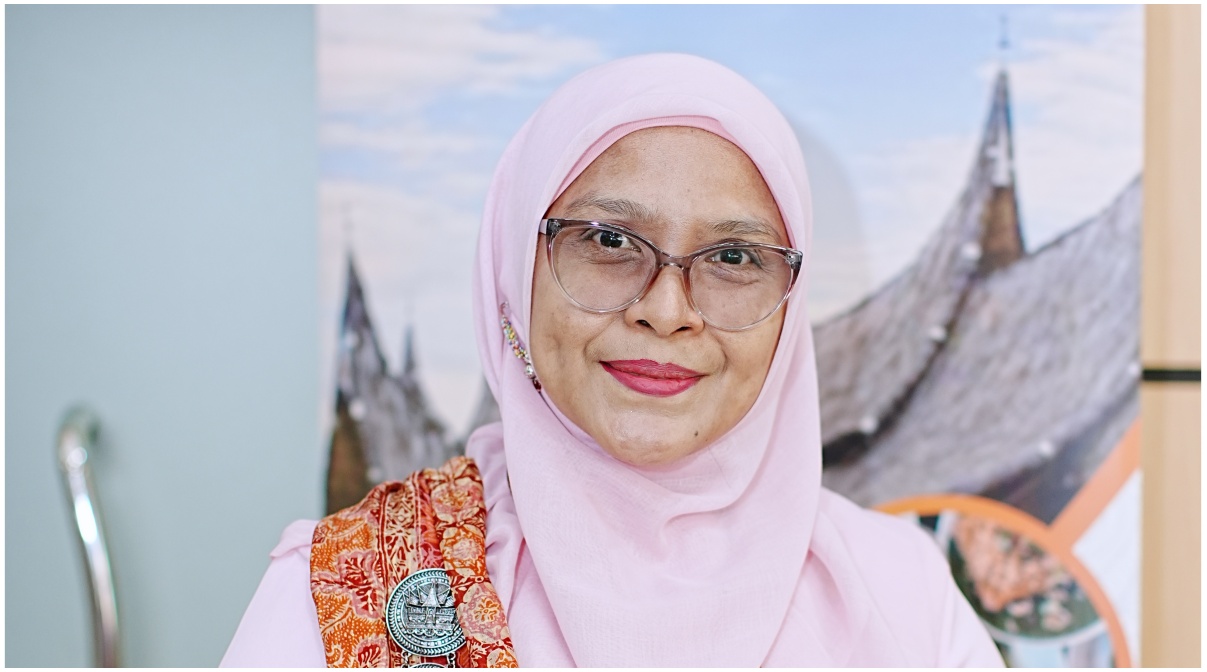
Author: Delfia Tanjung Sari Department of Economics, Universitas Andalas